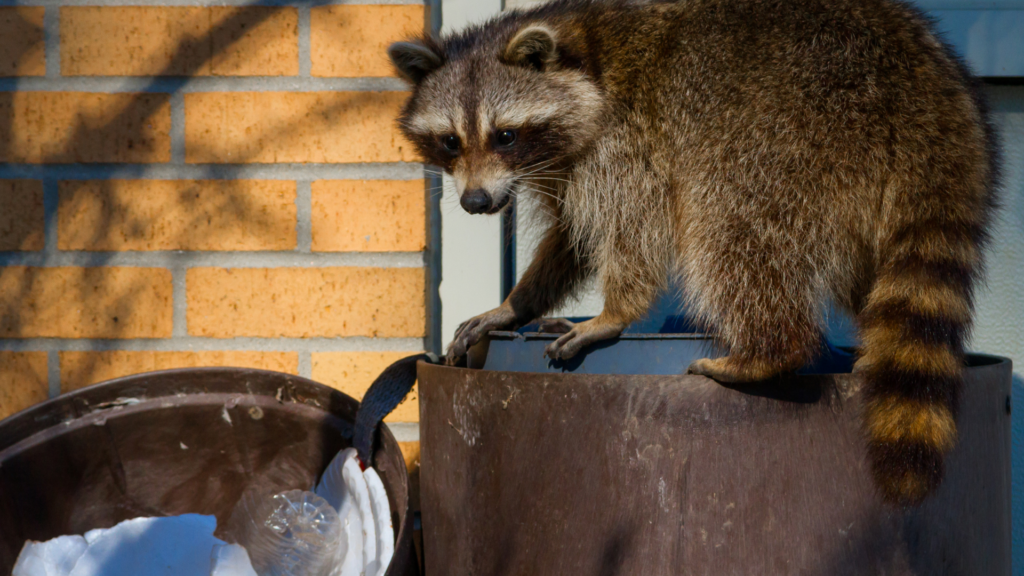
Your house is your haven, but when raccoons begin to behave like it’s their playground, you have a problem that calls for practical solutions. Identifying the signs, taking fast action and using prevention practices are essential steps for homeowners. Here’s a complete guide on what to do about raccoons, whether you’re dealing with an active invasion or seeking to prevent their future visits:
Recognize the Signs
First, you need to know what you’re up against. Being able to identify the signs can help you spot and deal with an infestation early. Common signs of raccoon activity include:
- Trash cans tipped over or shredded up
- Claw marks near eaves or vents
- Scratching or scurrying noises in the attic or chimney
- Shredded insulation or wires
You may even spot a raccoon during dusk or dawn hours, creeping around gutters or under decks. Seeing one of these notoriously sneaky creatures would be a cause for immediate concern.
Take Action
If you suspect raccoons have invaded your home, immediate action is needed. However, you should always prioritize your safety. Raccoons can carry diseases, including rabies, and insects such as fleas and mites, so keep children and pets away from the area and avoid direct contact. It’s also important to make sure you secure any attractants like food and trash. Remove food for pets that are left outdoors once they’ve eaten, secure trash cans with tight-fitting lids and close any open composting bins. Eliminating these sources of food reduces the raccoons’ incentive to stick around.
Once you’ve taken these precautions, identify how the raccoon entered and block their access. Roof vents, chimney openings, and crawlspaces are common entry points for raccoons. While you may temporarily block entry, never seal a raccoon inside the structure. Make sure that the animal has left or give the professionals a call to safely remove it. Finally, make sure you clean up thoroughly. Raccoons can leave behind droppings and urine that create odors and health hazards. Once the raccoon is gone and access points are sealed, disinfect the area and replace damaged items, like insulation in the attic.
Long-Term Prevention
Prevention is often the most challenging part of pest control, but it’s also the most important. Since raccoons can enter through small entry points, are excellent climbers, hide in overgrown greenery, and are attracted to trash and food sources, special prevention methods must be taken. Here’s what homeowners should do to avoid future raccoon infestations:
- Inspect the roof and attic
- Secure entry points
- Trim tree branches
- Manage trash and food sources
- Landscape the yard
When to Call the Professionals
If you suspect a raccoon problem and are hearing unsettling noises, or if you aren’t sure how they’re gaining entry, it’s time to bring in the pros. Looking for pest control in Fort Lauderdale? At Command Pest Control, we have the proper equipment and expertise to safely remove unwanted wildlife from your home. After each service, we clean and disinfect the contaminated areas and seal entry points to prevent future invasions. Call us at 954-943-0008 or contact us online to keep your home raccoon-free!